The Work Behind Stronger Communities: Reflections From Australia
A week in Australia left me wondering: how can we better support the relationships, participation and collective action that help communities grow stronger?

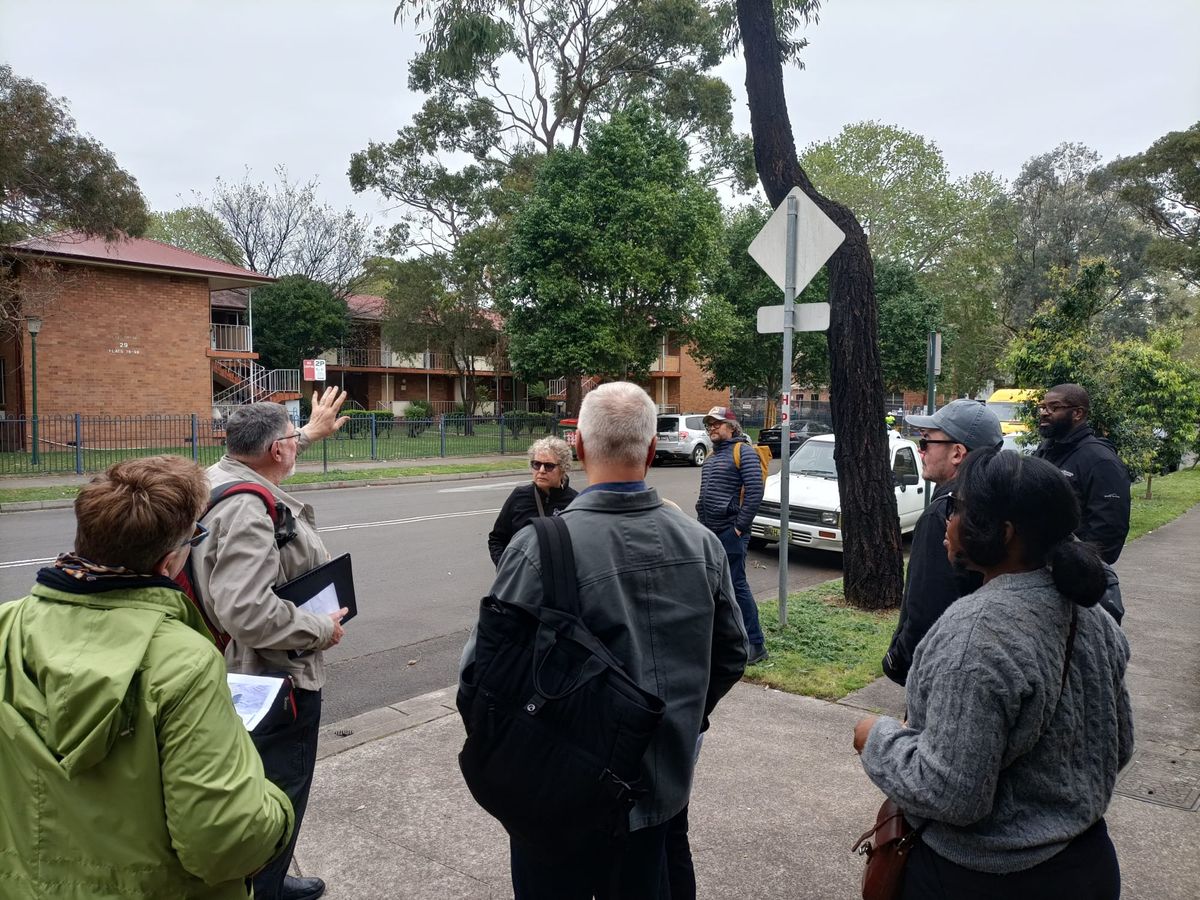
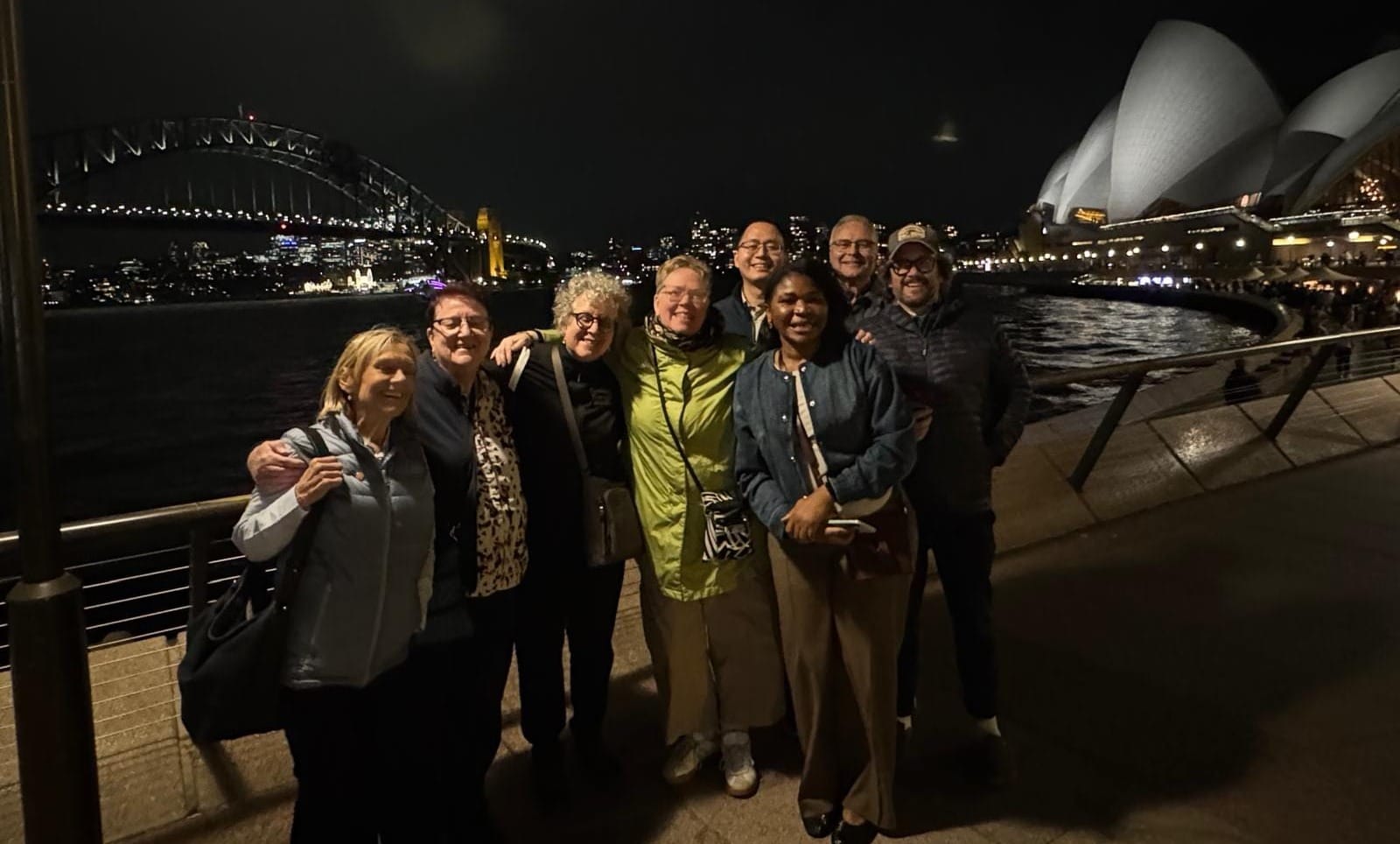
Last month, I spent a week in Australia: attending the Local Community Services Organization (LCSA)'s Connecting Communities conference and visiting Neighborhood Centres with fellow members of the International Federation of Settlement Houses and Neighborhood Centres (IFS).
Many of the challenges people shared felt familiar from my work in Singapore and time in New York City. But I also found encouragement in stories of residents coming together to create change, supported by community organizations.
I came home wondering how we might make more room for this work in Singapore. Here are some reflections still stirring within me.
What Does it Mean to Work with a Community?
One distinction I found useful was the difference between delivering services and doing community development. BBeyond asking how we can meet people's needs, community development asks what people can contribute, and how they can help shape what happens in their community.
Both matter and can happen alongside each other.
But the detriment of focusing only on service delivery was very beautifully articulated by Liz Bonner, President of the Australian Neighborhood Houses and Centres Association (ANHCA):
Are we actually changing the conditions people face, or becoming good at managing the consequences? Constantly pulling people from the river instead of going upstream comes at a cost: burnout
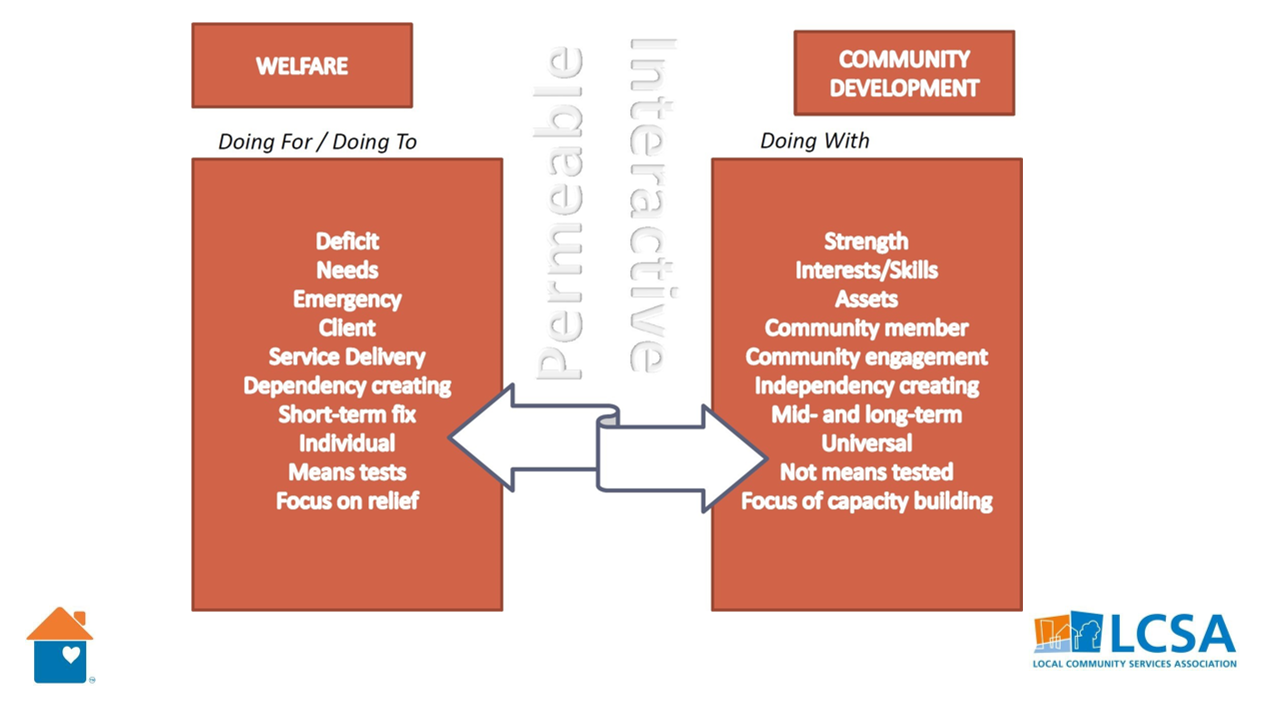
Neighborhood Houses Tasmania offers guiding principles in their Community Development in Action Handbook, including:
- Valuing local knowledge, skills, culture, resources and processes
- Following the energy and motivation of the people involved
- Giving up your 'power' as a worker and collaborating with others
Examples shared during the conference helped me see what this could look like in practice.
Listening Before Deciding
A Taiwanese social worker shared her experience of Listening@Lakemba.
In 2023-2024, organizers heard from 384 residents through surveys and door knocking, then brought more than 130 people together to discuss findings and possible solutions, with tables for Urdu, Rohingya, and Bengali speakers.
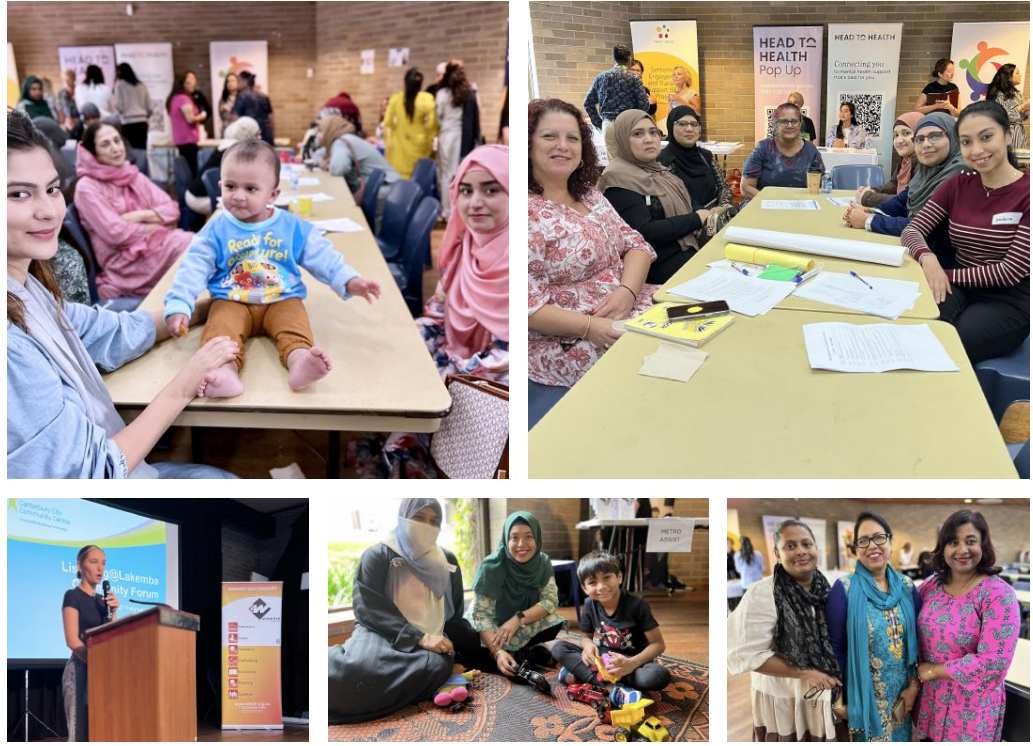
An earlier edition led local women to co-create the Lakemba Ladies Lounge, where they could meet and lead activities for one another. To me, this was a lovely example of listening leading to something residents help create and sustain.
Making Room for Participation to Grow
The speaker also described a journey from soft entry to warm referral, co-design, peer mentoring and advocacy.
A person might first attend an activity, then invite a friend. Over time, they might help organise an event, mentor others, or advocate for something their community needs.
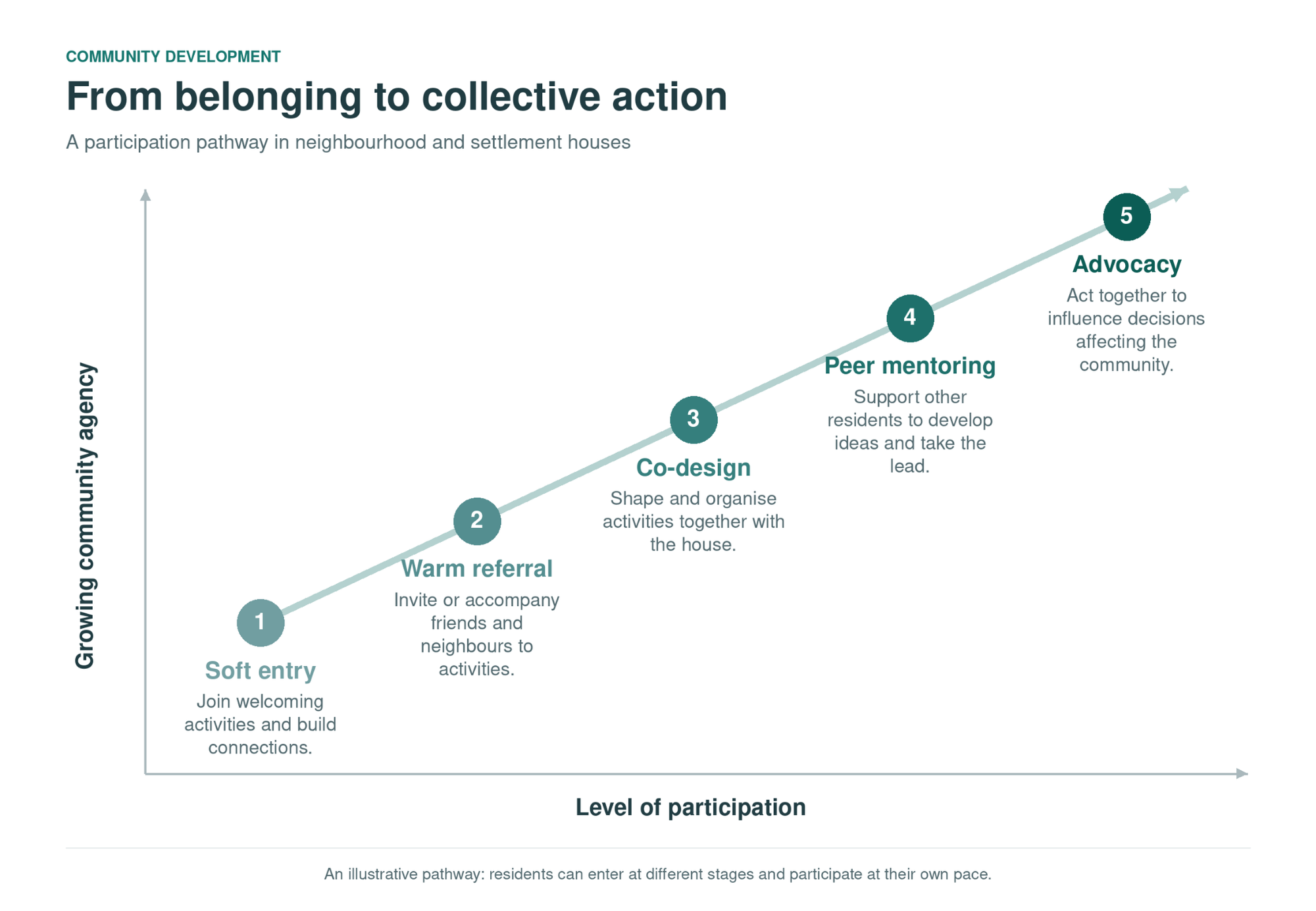
This made participation more tangible. We talk about wanting residents to take ownership but what opportunities can we create for them to do so, at their own pace?
What Happens When People Disagree with Us?
As I listened, I remembered my visit to the Center for Family Life (CFL) in New York City. Their staff had recommended subscription pricing for the cleaning co-op they supported, because it provided steadier revenue. But the women who owned the co-op reviewed the financial projections and chose to charge higher, one-off fees.
CFL staff respected their decision. They told me:
Ownership means they make decisions and take responsibility for the consequences of these decisions... but ultimately, it is their choice to make.
Would I be able to accept a decision I thought was less sensible, especially after putting so much work into a recommendation?
I'm not so sure.
Are We Funding the Relationships that Make Services Work?
Another familiar tension also surfaced during the conference: organizations can secure funding for services, but struggle to fund the relationships that help people access them.
Getting someone to feel comfortable, and eventually ask for help takes time. It might begin with a conversation, a familiar face, or an activity they enjoy attending. This work can be difficult to quantify, yet so much depends on it.
If these relationships help make services effective, why do we struggle to resource the work of building them?
What Happens When Funding Favors Scale?
Some practitioners observed that governments seem to prefer funding fewer, larger charities, likely because it makes service quality and grant management easier to oversee.
It reminded me of Singapore's Integrated Community Care Provider (ICCP) model, which appoints providers, typically a larger charity, to coordinate care and deliver services to older adults within a sub-region.
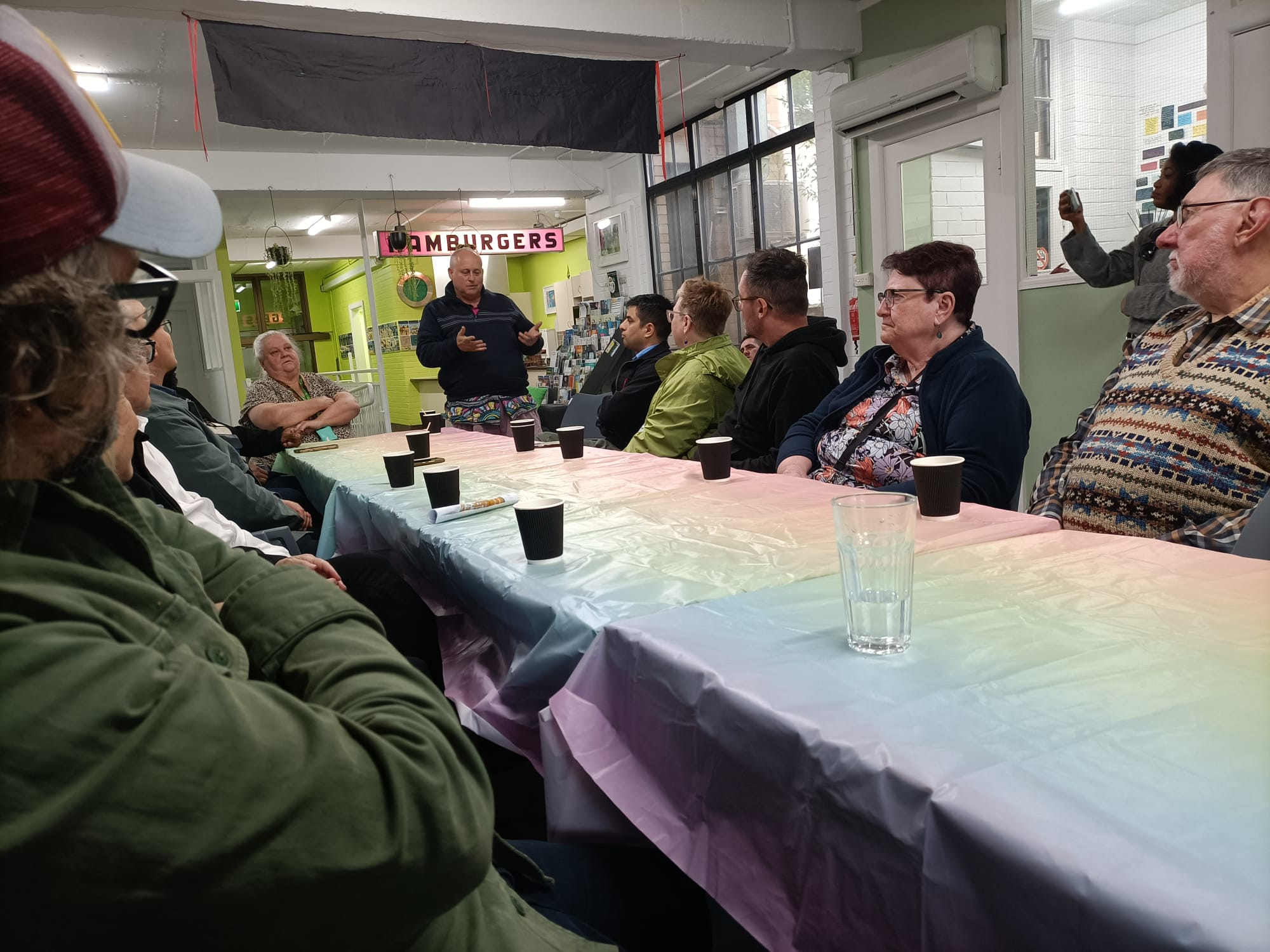
Some also described larger charities approaching Neighborhood Centres for help with reaching residents, drawing on relationships the centres had spent years developing. Yet funding did not necessarily follow those relationships back to the centres.
Some felt pressure to grow, despite wanting to remain rooted in their neighborhood. While others wondered whether their future would mainly be as subcontractors to larger providers.
This brought me back to a question I wrote about after visiting England last year: what do we give up in the name of efficiency?
Small isn't always better, but I worry about losing the distinctive local character, close relationships and residents' influence on programs as organizations scale.
Do we make enough room for organizations to remain local, and value what they contribute at that size?
Who Should Fund This Work?
I think governments have a role because stronger communities contribute to public wellbeing. LCSA advocates for sustained core funding for staff, operations and community development, recognizing Neighborhood Centres as critical social infrastructure.
Philanthropy could offer patient support too. In an IFS Asia Pacific Network meeting, Budhita Kismadi from Indonesia shared that she had received a five-year Ford Foundation grant for organizational development.
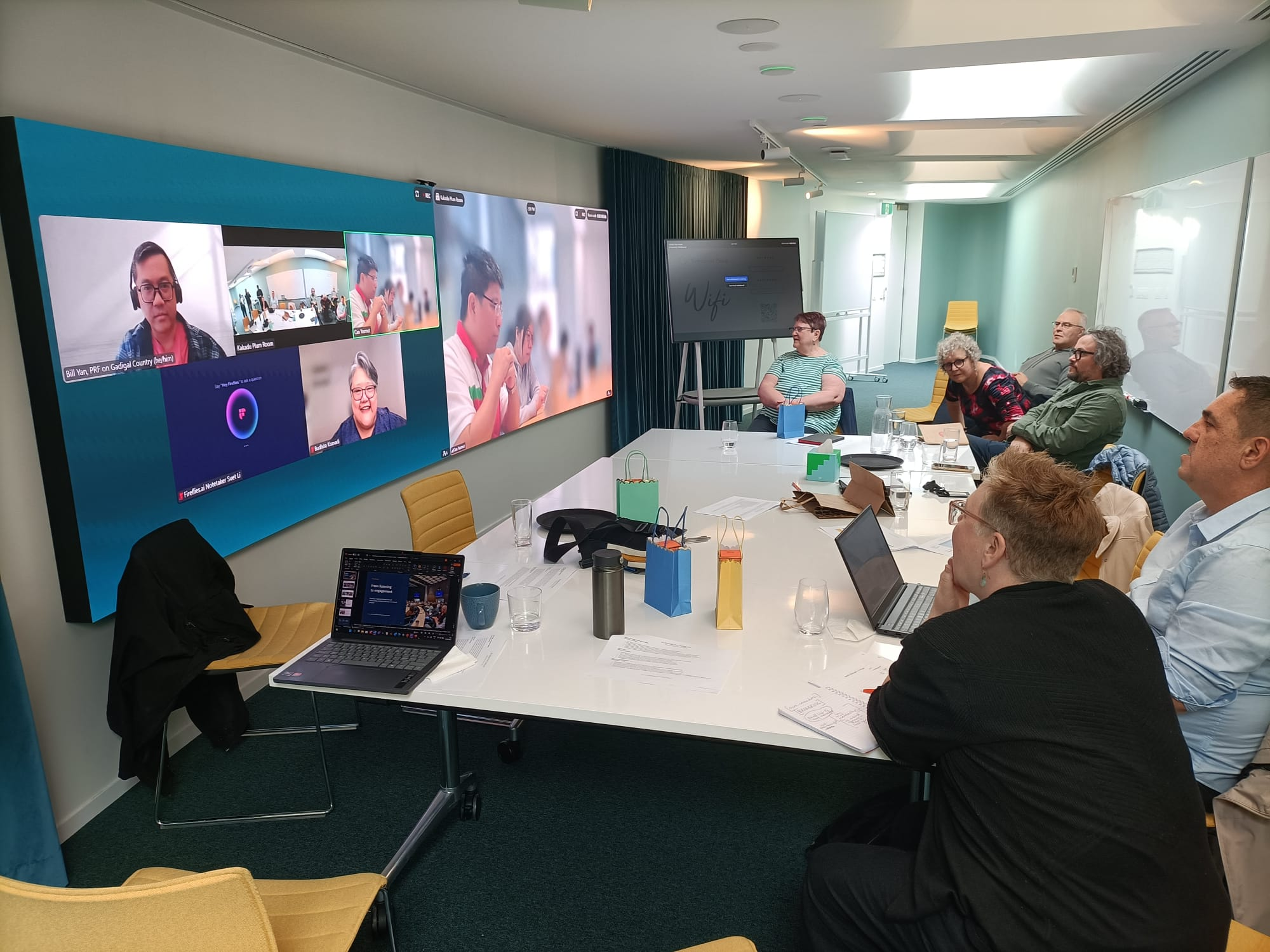
The length of that commitment struck me. Could more funders give patient capital for organizations to strengthen their work?
Residents could also contribute through donations or membership fees, deepening their stake in an organization; although communities might differ in what they can afford.
Organizations themselves could generate income through activities such as hiring out their spaces or providing paid services or products. This might offer more freedom, but also take capacity away from community work.
Perhaps support needs to come from several directions. I don’t have a settled answer, but I think the question matters:
If we value these relationships, who will help sustain them long enough to grow?
How Do We Know Whether a Community is Becoming Stronger
To make the case for sustained funding, I think we need to understand how community development helps communities become stronger.
While attendance and service-use numbers are useful, they tell us little about how people's lives have been improved.
LCSA's Community Wellbeing Survey seeks to help its members measure this, through four dimensions:
- Participation in community
- Trust in community
- A sense of belonging
- Access to services and resources
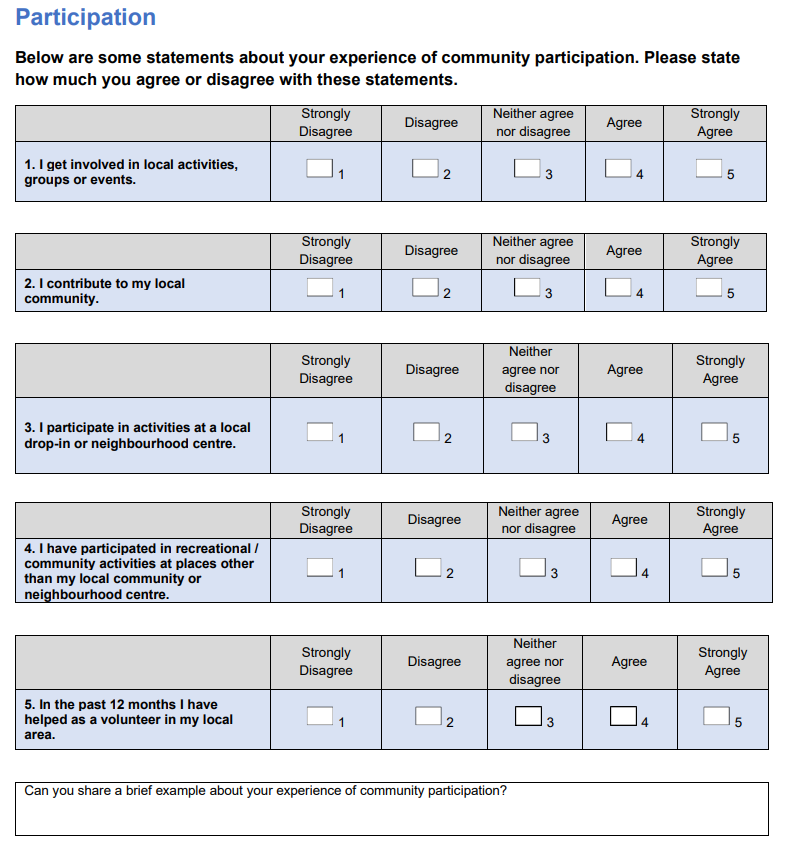
I found this encouraging: a practical way to make something as intangible as trust and belonging more tangible.
It reminded me of a survey we ran at A Good Space Cooperative in 2021, adapting questions from the Sense of Community Index to understand our changemaker members’ experiences and where we could improve.
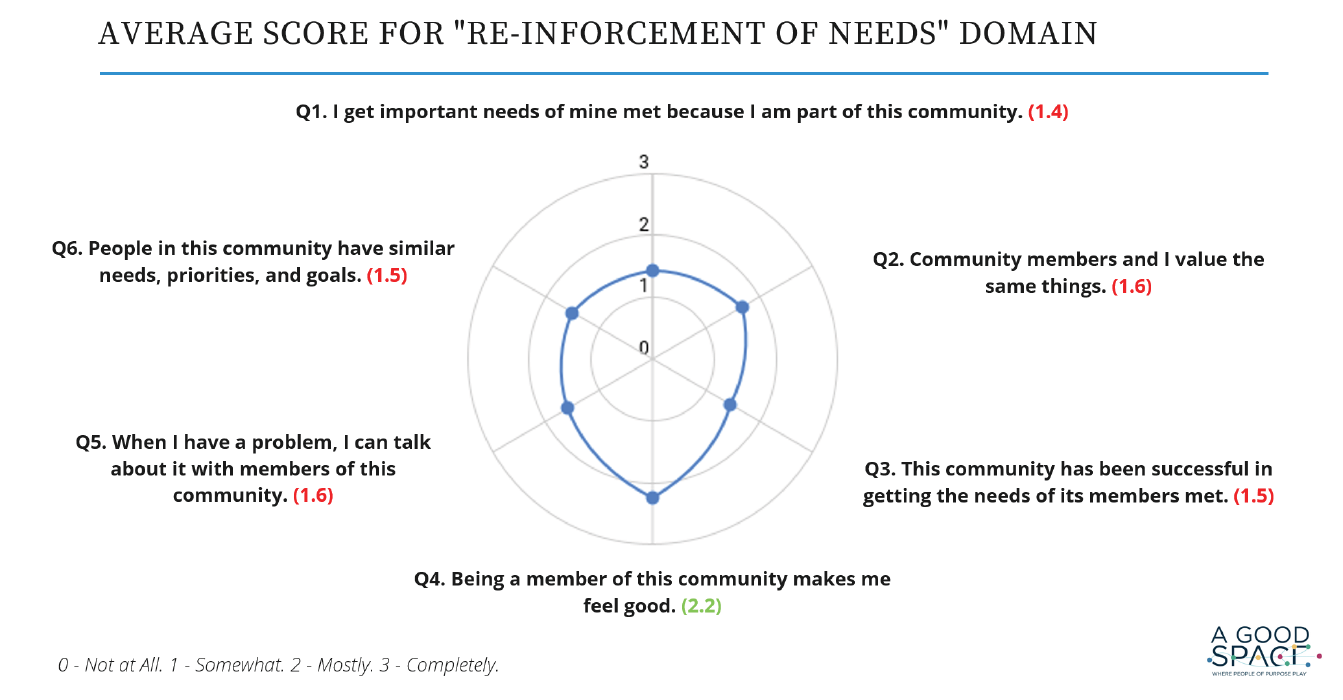
If we believe relationships matter, perhaps our measures of success should help us understand their quality, alongside how many people we reach.
How Does a Local Concern Become a Collective Voice?
I was also interested in how community organizations helped residents influence decisions beyond their neighbourhoods.
Peak bodies such as LCSA in New South Wales and ANHCA nationally bring local experiences into policy discussions and help their member organizations advocate for concerns they might struggle to address alone.
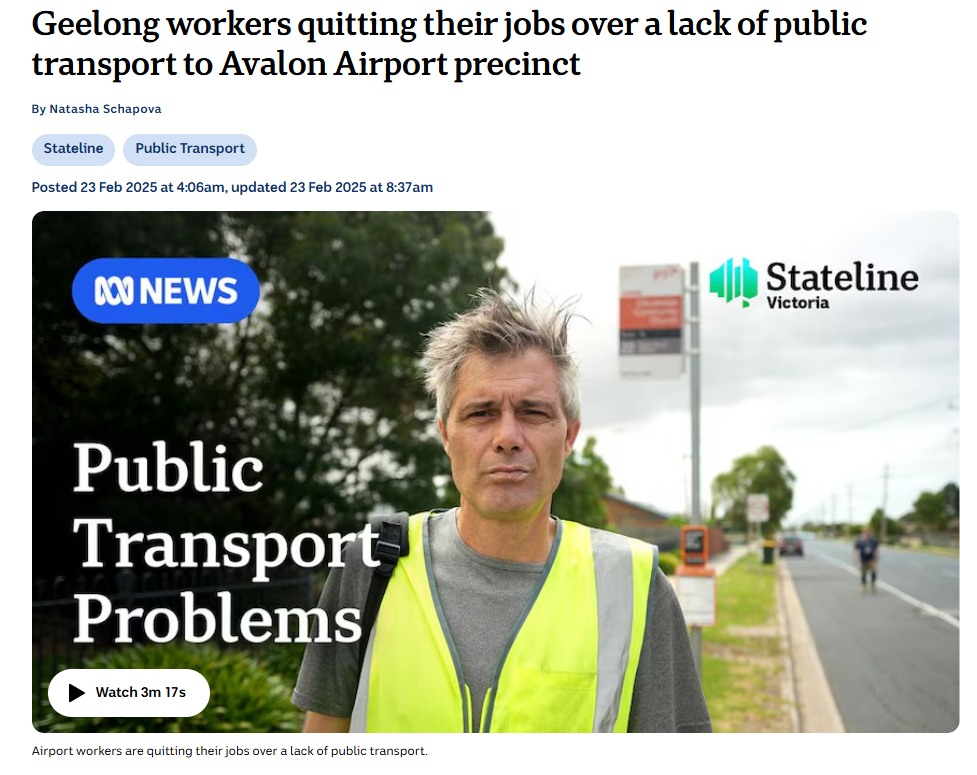
From a Concern to a Shared Campaign
Jarrod Stagg lived just 13 kilometres from his workplace at Avalon's employment precinct. But when his car broke down, he faced a five-hour round trip on public transport or $100 in daily taxi fares. Other workers had lost employment opportunities because they could not get there.
The Real Deal for Geelong Alliance, including Neighborhood Centres, unions and community groups, campaigned for a bus connection. They listened, researched solutions and met decision-makers. In March 2026, a new bus service connecting Lara Station to Avalon Airport began, timed around workers' shifts.
At Rocky Hill, residents organized through Groundswell Gloucester, supported by the Environmental Defenders Office, to oppose a proposed coal mine. Their evidence helped secure a landmark outcome: in 2019, it became the first coal mine rejected by an Australian court partly on climate change grounds.
Making Advocacy Practical
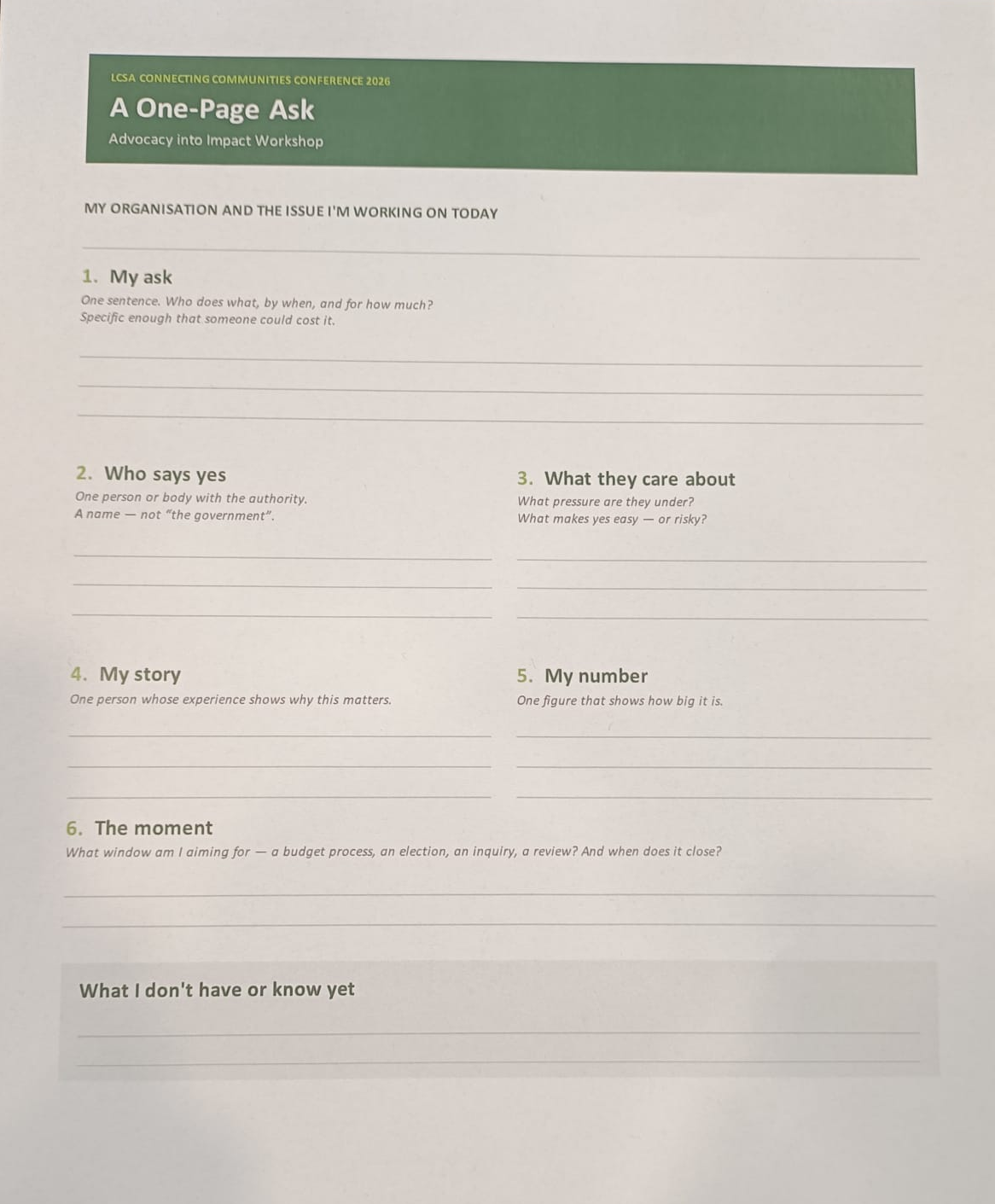
I was also impressed by the clarity of the asks to policymakers by the Australian Neighborhood Centres.
An advocacy workshop gave us a one-page template: what did we want changed, who could say yes, what mattered to them, what story and evidence supported our request, and when could we act?
Fitting everything onto one page pushed me to be precise about what I was asking for and who could make it happen.
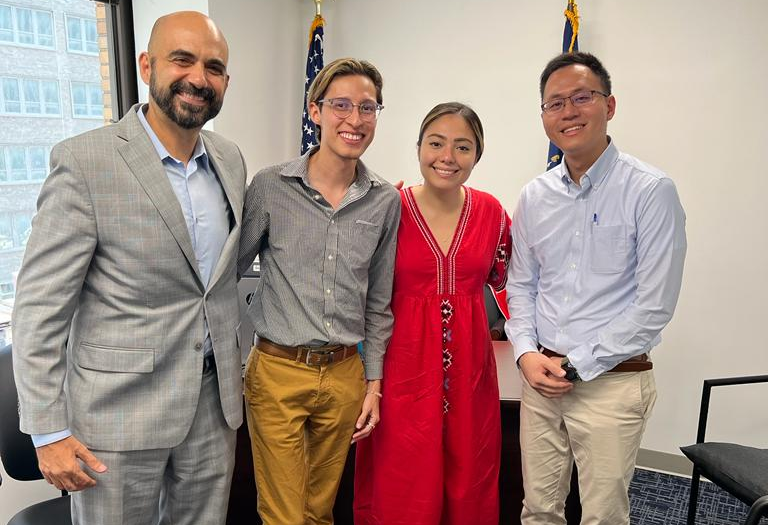
It reminded me of my time in New York City, when United Neighborhood Houses facilitated a meeting between several Settlement Houses with Senator Kristen Gonzalez, focused on clear priorities such as raising the wages of frontline human services workers.
Holding On to Hope
Listening to these stories, I wondered about comparable examples in Singapore. Advocacy here can feel discouraging when calls for change often seem unwelcome.
It can be difficult to know how much to push, or whether the effort will lead anywhere.
Yet the campaign for domestic workers’ rest days reminds me that change is possible. Nearly a decade of advocacy preceded the weekly rest-day policy announced in 2012 and implemented in 2013, with stronger protections taking effect in 2023 that at least one rest day each month cannot be exchanged for compensation.
Jeff Smith, NSW Ageing and Disability Commissioner, offered another perspective: we often highlight the visible outputs of social change, such as working groups, recommendations and white papers, while overlooking the efforts of the communities who helped to produce them.
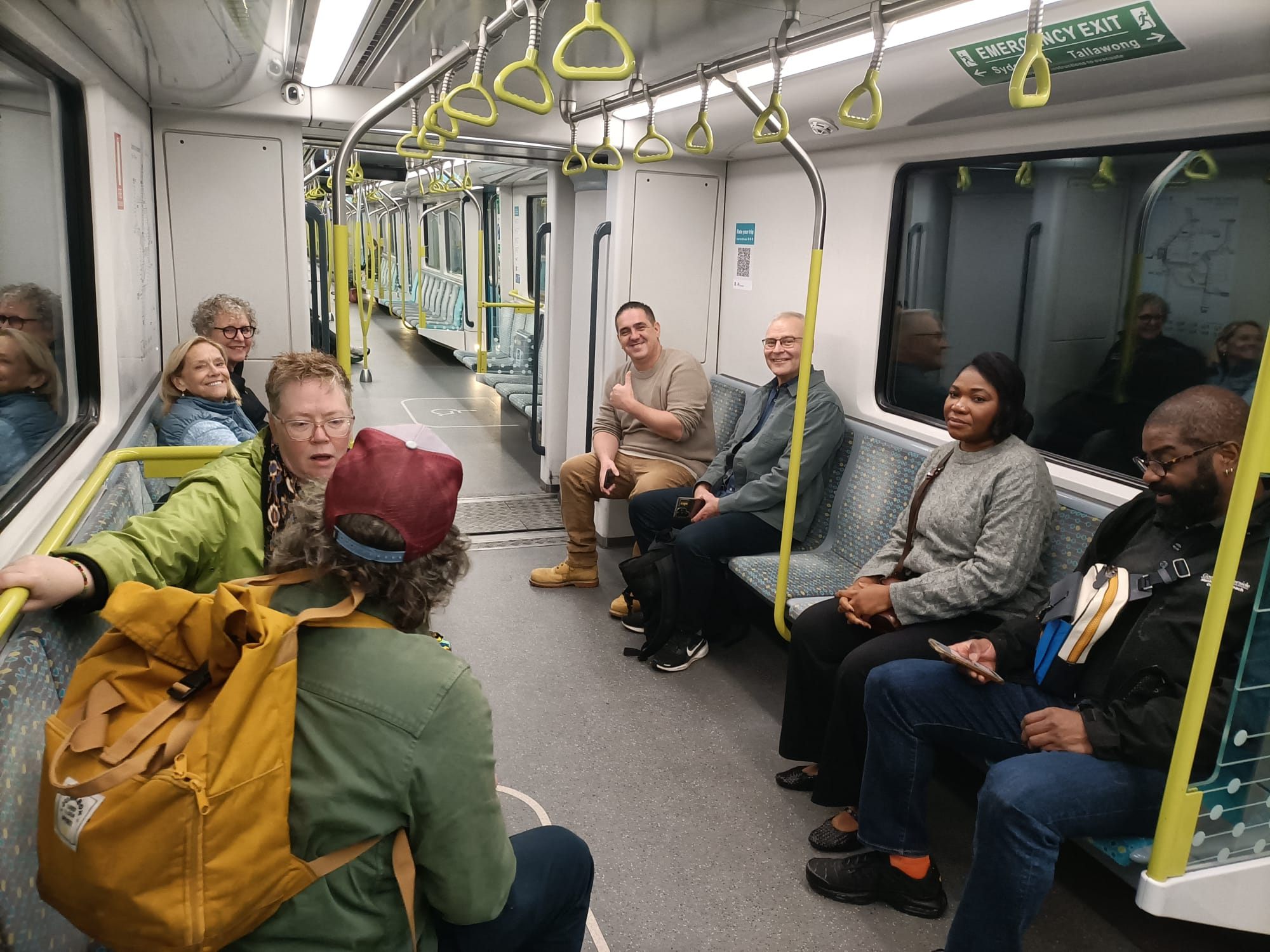
Even when we don’t achieve the outcomes we hoped for, people may build relationships, find their voice and learn to act together. Perhaps that gives a community something to build on for its next effort and should matter too.
I don’t find it easy to hold disappointment and hope together. But these stories gave me reasons to keep trying, and to ask how we might make more room for this work in Singapore.
Who within our government institutions or government-linked organizations is helping residents organise and influence the decisions affecting them?
I'd love to meet them.